Table of contents [Show]
When mentioning Vung Tau, many people immediately think of blue seas, white sandy beaches, or lively entertainment areas. However, if you want to gain a deeper understanding of the city’s history, cultural life, and local people, Vung Tau Museum is a destination you should not miss.
Unlike the bustling atmosphere of tourist beaches, the museum offers a quiet and reflective space where visitors can slowly explore stories preserved through artifacts, images, and valuable historical documents. It is an ideal place for those who enjoy experiential travel, learning, and discovering local culture.
An Introduction to Vung Tau Museum
Vung Tau Museum is one of the most meaningful cultural attractions in Vung Tau City, offering visitors a comprehensive overview of the region’s history, traditions, and cultural development. Located in the city center, the museum is an ideal stop for travelers who want to better understand Vung Tau beyond its famous beaches and resorts.
With a well-organized exhibition system and rich collections, Vung Tau Museum serves as a bridge connecting the past and present, helping visitors gain deeper insights into the land, people, and historical events that shaped this coastal city.
Location and Architecture
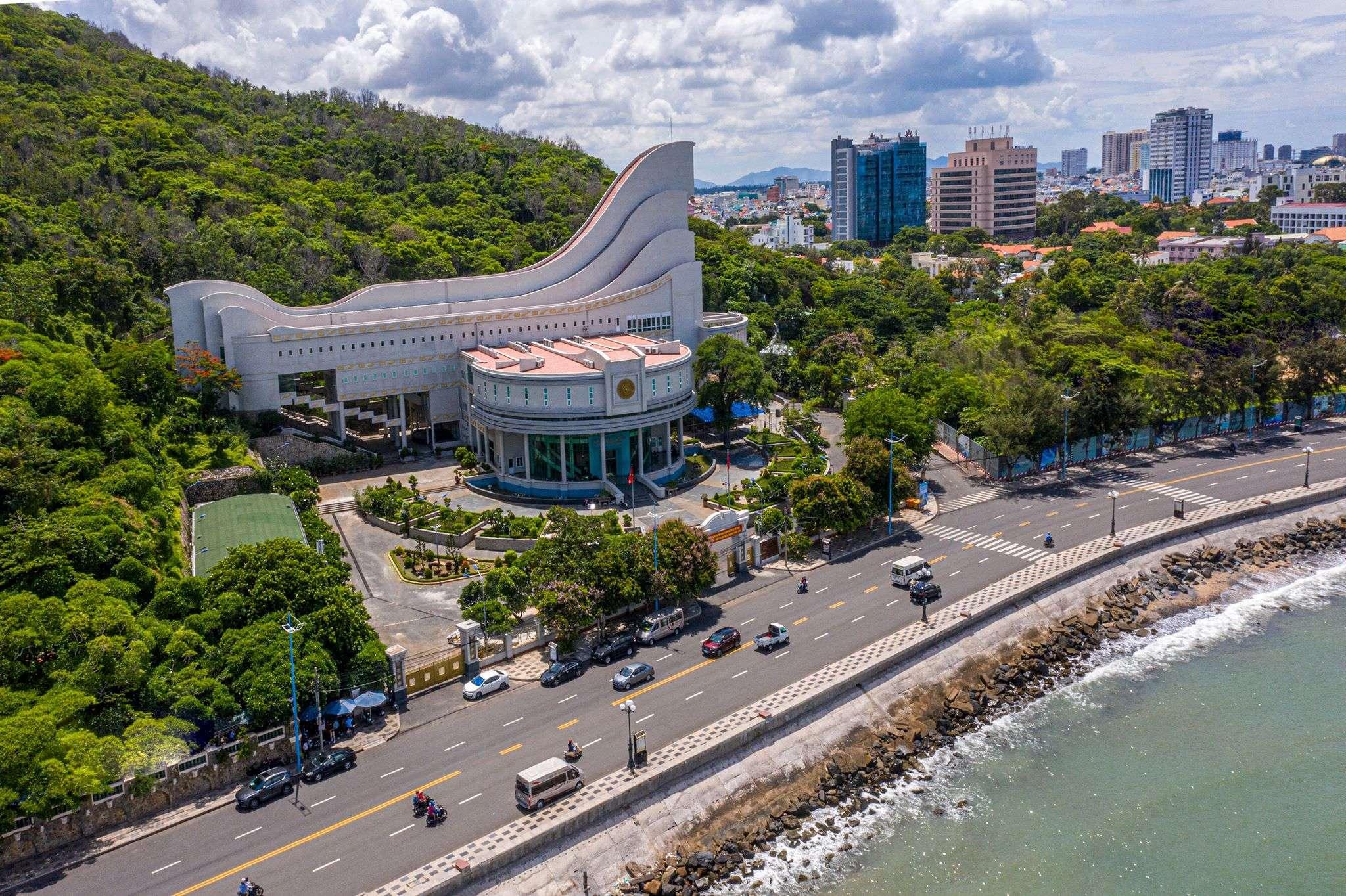
Vung Tau Museum is situated at 1 Tran Phu Street, Ward 1, Vung Tau City, a convenient location close to other well-known attractions such as Front Beach (Bai Truoc) and White Palace (Bach Dinh). The museum building features a modern yet simple architectural style, harmoniously blending with the surrounding urban landscape.
The spacious layout, clear signage, and well-lit exhibition areas make it easy for visitors to navigate through different thematic sections. The museum’s design focuses on functionality, ensuring a comfortable and informative experience for both domestic and international tourists.
Exhibition Areas and Main Themes
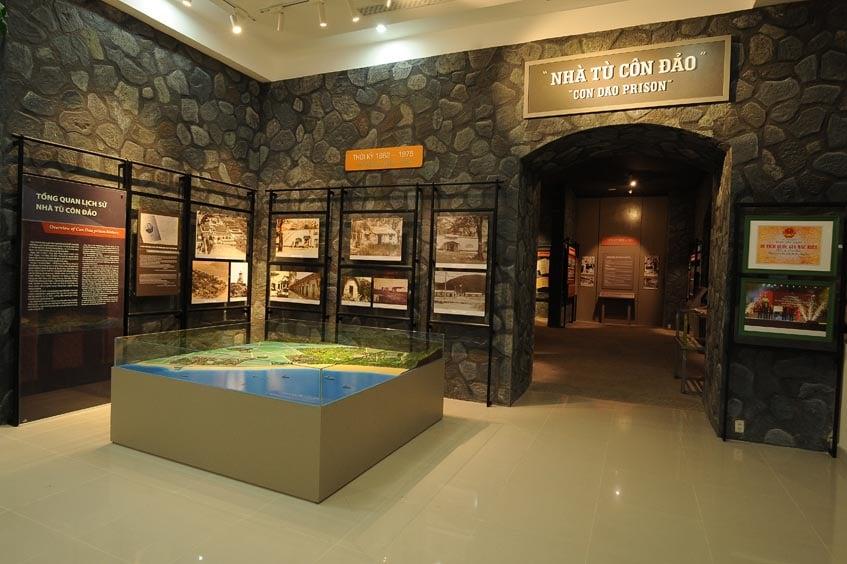
The museum’s exhibitions are divided into several sections, each highlighting a different aspect of Vung Tau’s history and culture.
1. Natural History and Geography
This section introduces the natural conditions of Vung Tau and Ba Ria – Vung Tau Province, including geology, climate, marine ecosystems, and biodiversity. Visitors can learn about the region’s coastal features, islands, and marine resources that have played a crucial role in local livelihoods for centuries.
2. Historical Development of Vung Tau
One of the most impressive parts of Vung Tau Museum is its historical exhibition. Artifacts, documents, and images illustrate the formation and development of Vung Tau from ancient times through the feudal period and into modern history.
This section also highlights significant historical milestones, including resistance movements, revolutionary activities, and the city’s role during important periods of Vietnamese history.
3. Cultural Life and Traditions
The cultural exhibition area showcases traditional customs, festivals, beliefs, and daily life of local communities. Visitors can explore displays related to fishing culture, folk rituals, and spiritual practices closely associated with the sea.
Traditional costumes, tools, and household items offer an authentic look into the lifestyle of Vung Tau residents, helping visitors better understand the cultural identity of this coastal region.
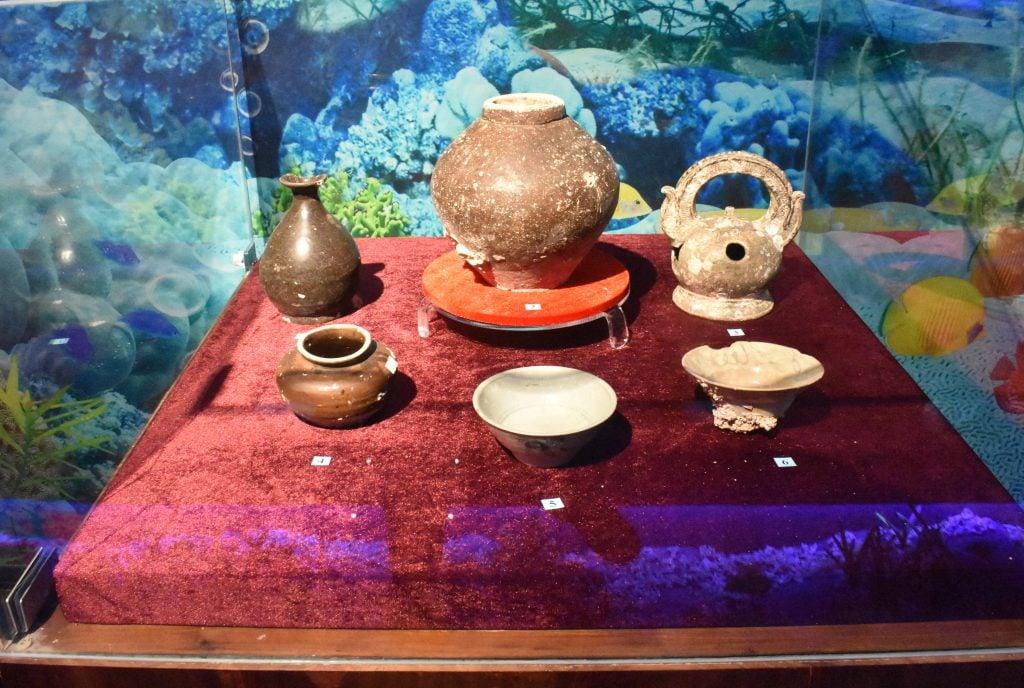
Notable Artifacts and Collections
Vung Tau Museum houses a wide range of valuable artifacts, including ancient ceramics, historical documents, weapons, photographs, and everyday objects used by local people in the past. Many items are carefully preserved and accompanied by detailed explanations in Vietnamese and English.
These collections not only reflect the historical value of the region but also contribute to preserving cultural heritage for future generations.
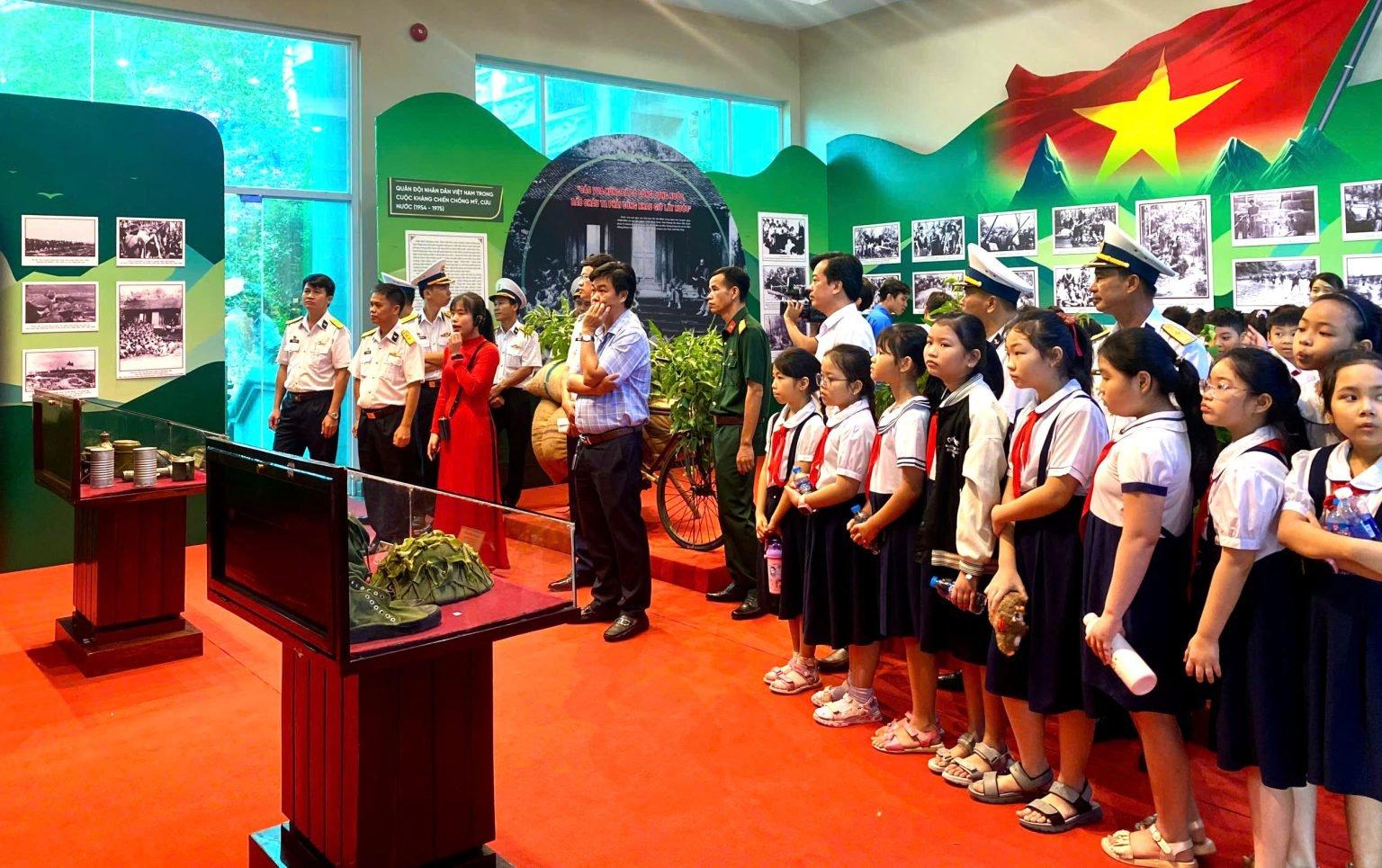
Educational and Cultural Significance
Beyond being a tourist attraction, Vung Tau Museum plays an important role in education and cultural preservation. It regularly welcomes students, researchers, and history enthusiasts who come to study and learn about local heritage.
The museum also organizes exhibitions, thematic displays, and educational activities to raise awareness about cultural conservation and historical values within the community.
Visiting Experience and Tips
Visiting Vung Tau Museum is a calm and enriching experience, suitable for all ages. The atmosphere is quiet and reflective, allowing visitors to take their time exploring each exhibition area.
Useful tips for visitors:
Allocate around 1–2 hours to fully explore the museum.
Read the descriptions carefully to gain deeper insights into each artifact.
Combine the visit with nearby attractions such as Bai Truoc Beach or Bach Dinh for a well-rounded itinerary.
The entrance fee is affordable, making the museum an accessible destination for travelers on all budgets.
Why You Should Visit Vung Tau Museum
While Vung Tau is widely known for its beaches and seaside resorts, Vung Tau Museum offers a different perspective—one that focuses on history, culture, and identity. Visiting the museum allows travelers to connect more deeply with the city and appreciate its cultural richness.
For those who love learning, cultural exploration, and meaningful travel experiences, Vung Tau Museum is truly a destination not to be missed.